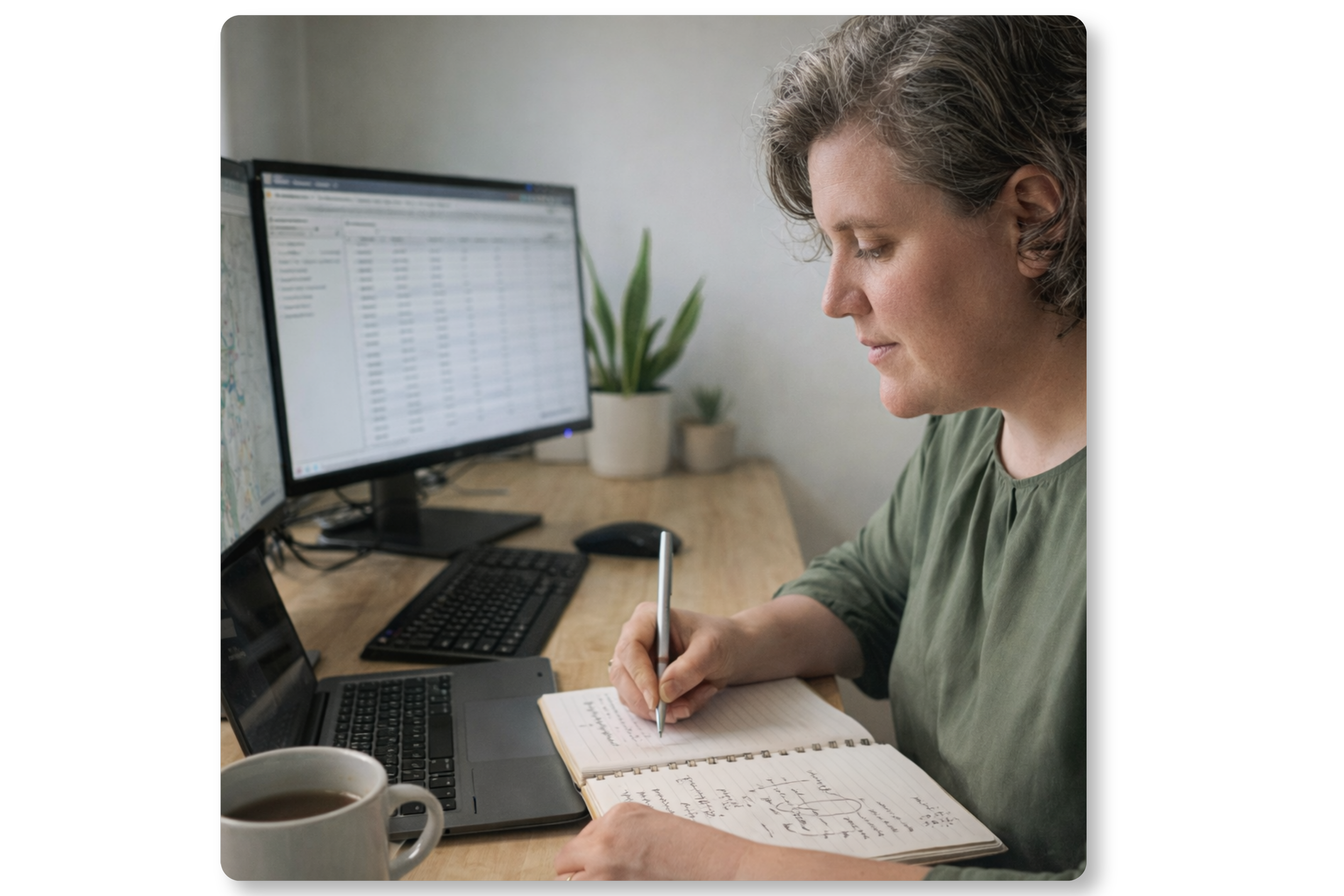
I help small governments, schools, and community organizations organize their work, improve communication, and make better use of information.
My work includes practical systems, analysis, writing, surveys, and other support that helps organizations save time, stay organized, and better understand needs as they take shape.
I work with organizations doing real work that has become hard to track, hard to coordinate, or hard to respond to clearly. The goal is to make that work more manageable, more visible, and easier to understand, while giving people a more reliable way to be heard and responded to.
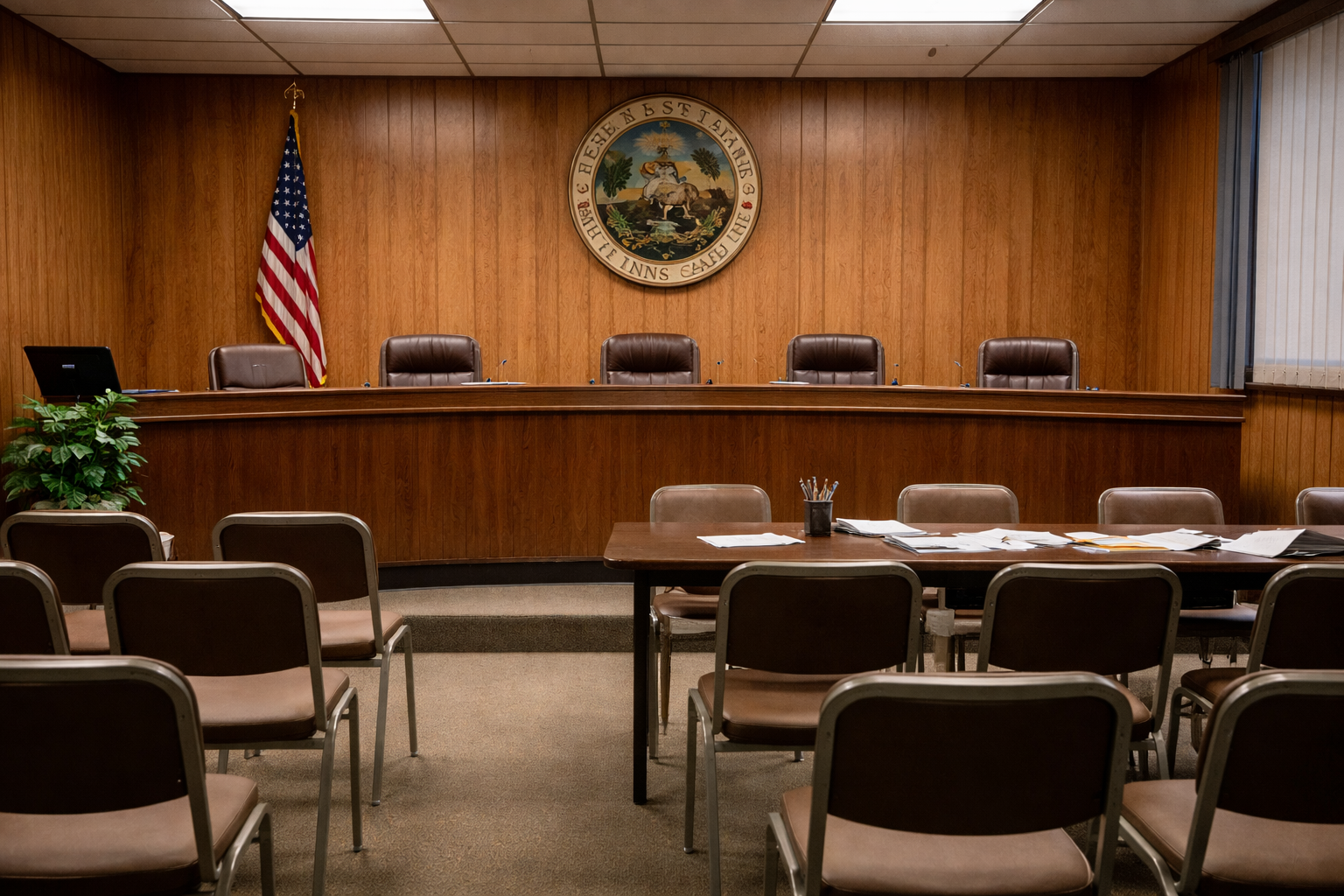
Small Governments
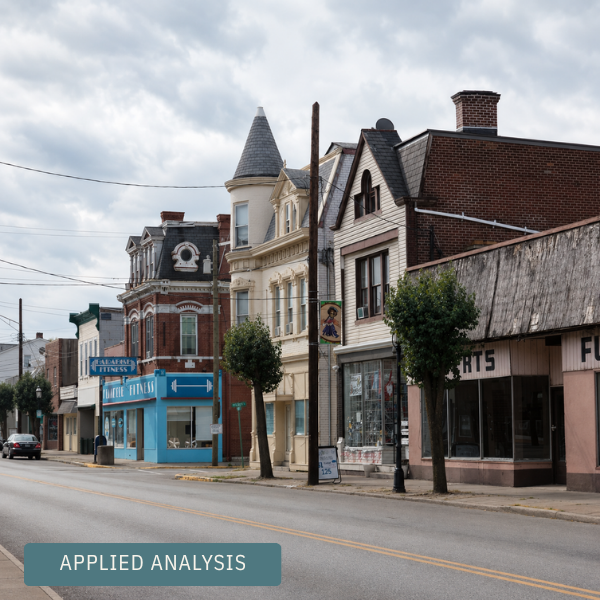
Towns and local agencies that need a better way to track requests, organize communication, stay connected with residents, and keep a clearer view across departments.

Schools & Teachers
Districts, schools, and teachers that need simple tools to improve communication across classrooms, families, and central office, while supporting day-to-day coordination and student needs.
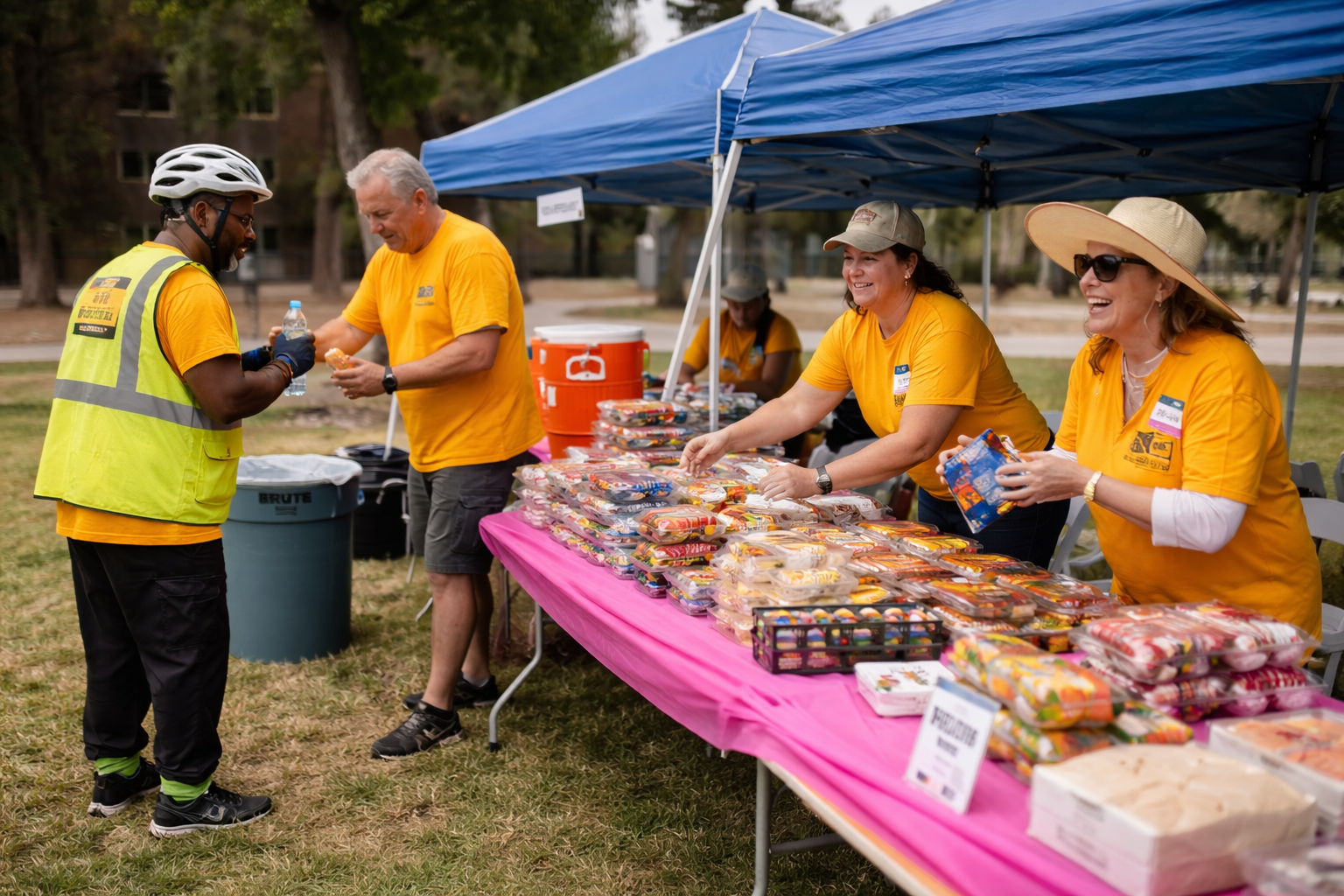
Nonprofits
Community organizations that need a better way to manage programs, volunteers, inventory, and facilities, while keeping day-to-day work clear and organized.
Some projects call for custom systems. Others call for analysis, writing, facilitation, or research support. That can include program tracking, facilities and maintenance workflows, inventory systems, surveys, qualitative input, grant support, publications, and other day-to-day operational needs.
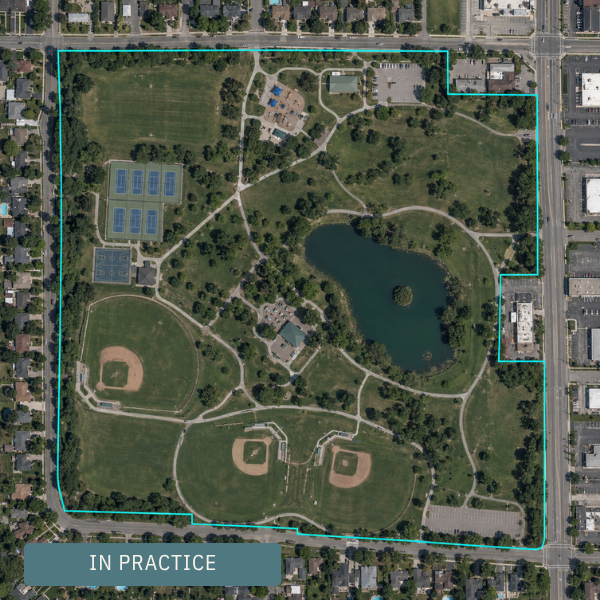
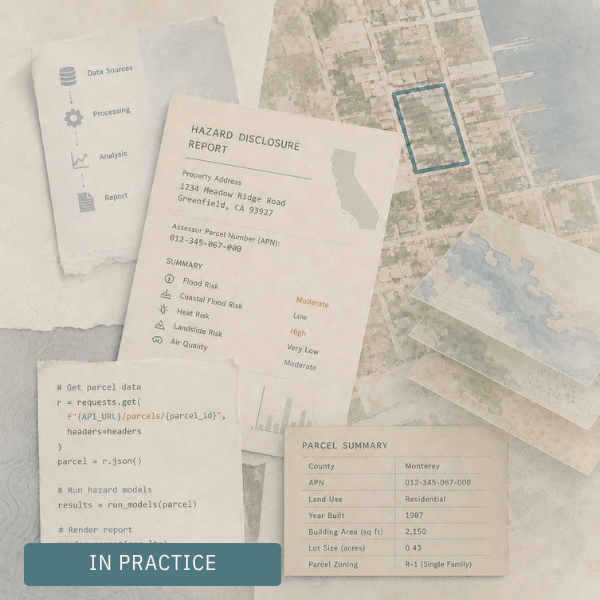
Depending on the project, this work can draw on spatial analysis, advanced spatial statistics, data modeling, Python scripting, qualitative research, writing, and public-facing communication. The focus is always on making the end result clear, useful, and grounded in how the work actually happens.
Many existing tools are built for large organizations, with high costs and layers of complexity that do not translate well to smaller organizations or places working with limited budgets. This work takes a different approach, with an emphasis on practical support that is affordable, usable, and easy to maintain.
Everything is designed to be simple, usable, and owned by the people using it.
Space for Us — In Practice
What the work looks like.
Why This Matters
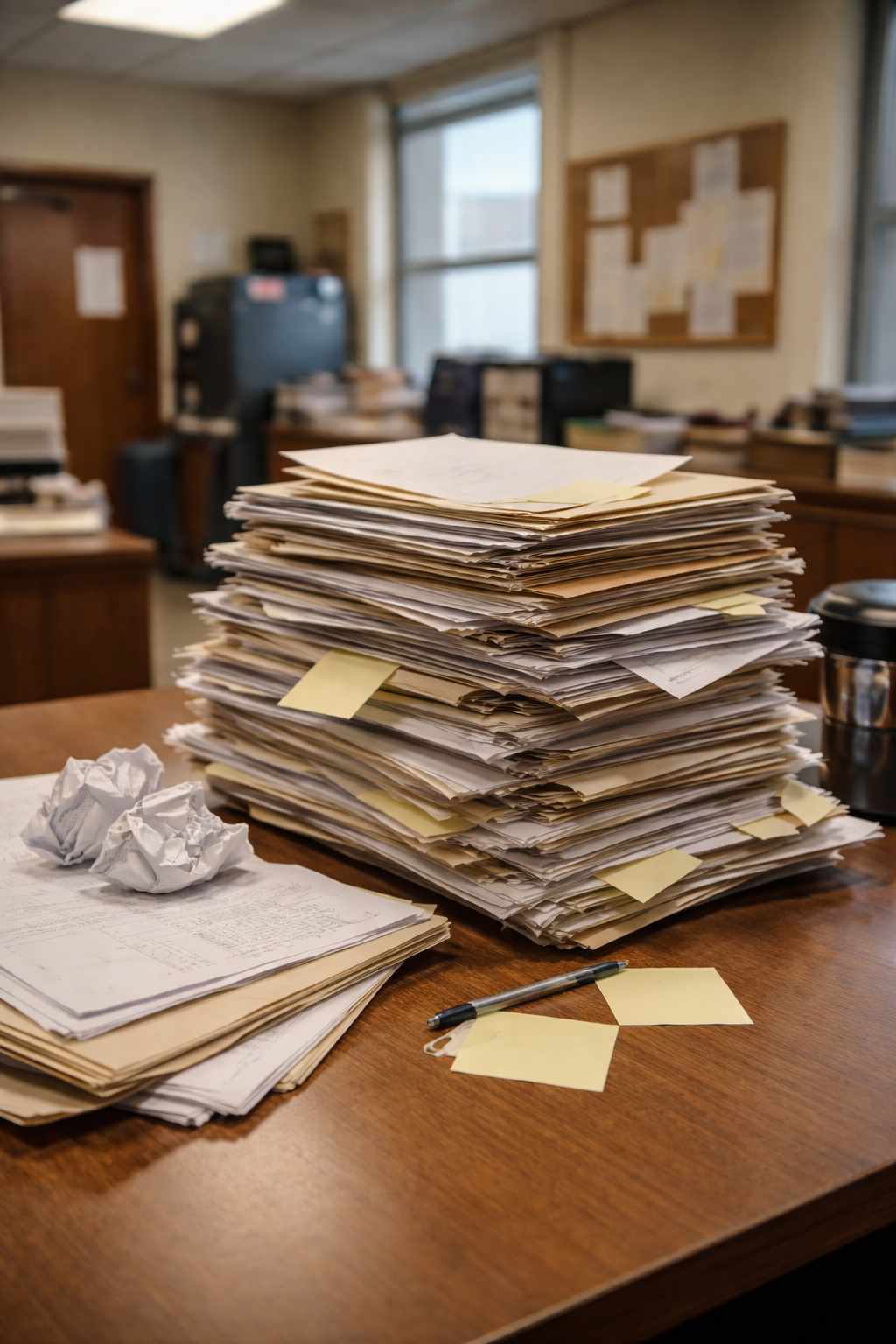
A lot of important work shows up as phone calls, emails, voicemails, survey responses, notes, or conversations that happen in passing. Some of it gets handled. Some gets passed along. Some disappears.
Without a clear way to organize that information, organizations lose visibility into what people are asking for, what staff are responding to, and where work is getting stuck. It also becomes harder to stay connected to the people they serve.
This work brings more structure to communication, coordination, and follow-through. It helps organizations keep a clearer record of what is coming in, what is being handled, and what patterns or needs are starting to take shape.
Over time, that clearer record supports better decisions. Needs can be better understood, patterns can be spotted earlier, and organizations can respond with more clarity and less guesswork.

If your organization is trying to make scattered information easier to track, understand, or respond to, you can reach out here.